
How to Take Better Dog Photos With Your Phone
You open your camera roll and there are 47 photos of your dog from one afternoon – and not one of them is the shot. A blur here, a turned head there, eyes anywhere but the lens. The good news: you do not need a fancy camera to fix this. You need a few small habits and one trick most people never think of.
Here is the quick-start version. Master these and your hit rate goes up immediately.
Get down to their level
This is the single most powerful change you can make. Crouch or lie down so the camera meets your dog at eye level. Shooting from standing height makes every dog look small and distant. Drop down and suddenly the photo feels like a portrait – you are seeing the world from their point of view.
Clean your lens first
Phones live in pockets and pockets are full of lint. A smudged lens causes a soft haze that no amount of editing can rescue. Give it a quick wipe before every session. It takes two seconds and makes a real difference.
Shoot in burst mode
Dogs move fast and the perfect expression lasts a fraction of a second. Instead of tapping once and hoping, hold the shutter to fire a burst, then pick the best frame later. On iPhone, hold the shutter button. On Android, hold the shutter or enable burst in your camera settings.
Chase the light, not the dog
Soft, natural light is your best friend. Position your dog near a window or shoot outdoors in the softer light of early morning or late afternoon. Avoid harsh midday sun, which creates squinty eyes and hard shadows. If you are indoors, face your dog toward the light source rather than away from it.
Simplify the background
A cluttered scene pulls attention away from your subject. Move your dog a few feet away from walls, fences, and household clutter. One small step sideways can eliminate a huge distraction and add natural depth behind them.
The part everyone struggles with: getting them to look
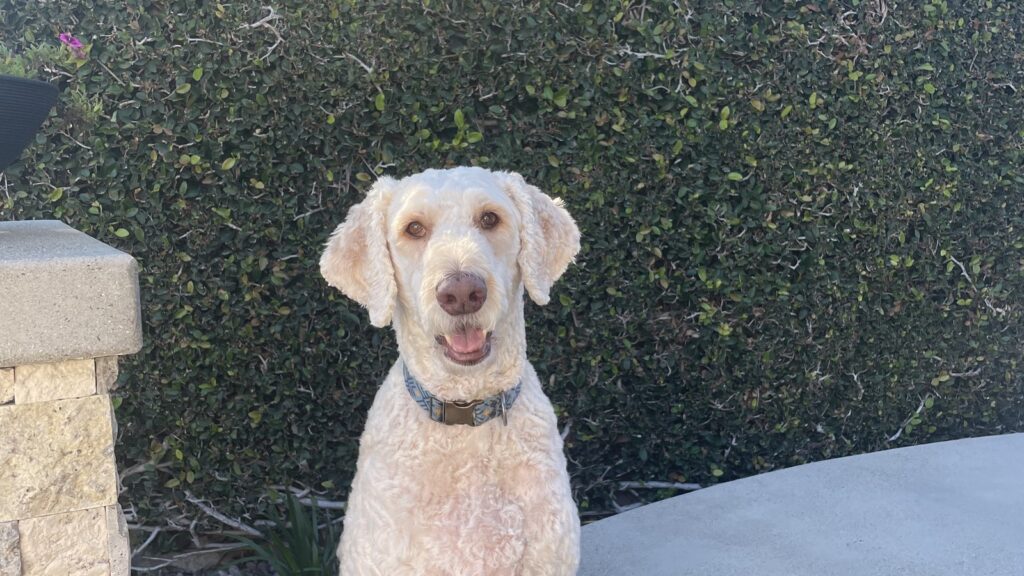
You can nail the light, the angle, and the framing – and still end up with a dog staring off into the distance. This is the real challenge in dog photography, and it is not about skill or training. It is about attention.
Dogs have a built-in reaction called the orienting reflex: a sudden, novel sound makes them snap their head toward it and freeze for a beat – ears up, eyes bright, fully engaged. That half-second is exactly when a great photo happens. The trick is being able to trigger that moment on demand, with your phone already raised and ready to shoot.
That is the entire reason we built Squeak N Snap. It is a small camera accessory with a built-in squeaker so you can make the sound and capture the look in the same motion – no second person, no throwing a toy across the room, no luck required. See how it works here.
This is just the quick-start. In the next few posts we are going deeper into the things that turn a good snapshot into a great photo:
– Composition: the rule of thirds, leading lines, and framing for your dog’s personality
– Reading and anticipating expressions so you are ready before the moment happens
– Breed-specific tips, starting with one of our favorites
Want the full version now? Join our mailing list and we will send you the complete Squeak N Snap dog photography guide. Get some good pictures? Tag us on social media (@squeaknsnap) and share them with us!
Did you know Squeak N Snap was a Modern Dog Magazine 2026 Editor’s Choice pick?