
Rescue & Adoption · Squeak N Snap
What Rescue Photographers Know That Most Fosters Don't
By Squeak N Snap · Reading time ~6 min
Every foster knows the feeling: a wonderful dog is sitting in your care, and the only thing standing between that dog and a forever home is whether the right person scrolls past or stops. More often than people realize, what makes them stop is the photo.
Rescue photographers - the volunteers who quietly photograph shelter dogs week after week - understand something most fosters never get told: the adoption photo is not a formality. It is the dog's first impression, and a better first impression tends to mean a shorter wait for a home. Here is what they know, and how you can use it today with nothing but the phone in your pocket.
The Photo Is the Pitch
When someone browses adoptable dogs online, they are not reading bios first. They are scanning faces. In a grid of thumbnails, the photo does almost all of the work of getting a dog noticed - and a dog that does not get noticed does not get a meet-and-greet.
Rescue photographers treat the photo as the pitch. The bio supports it, but the image is what earns the click. That reframe alone changes how you shoot: you are not documenting the dog, you are advocating for it.
What Separates an Adoptable Photo From a Cage Photo
Most shelter photos are taken fast, in bad light, through kennel bars, with a stressed dog. They are honest, but they do not help. The photos that move dogs share a few traits:
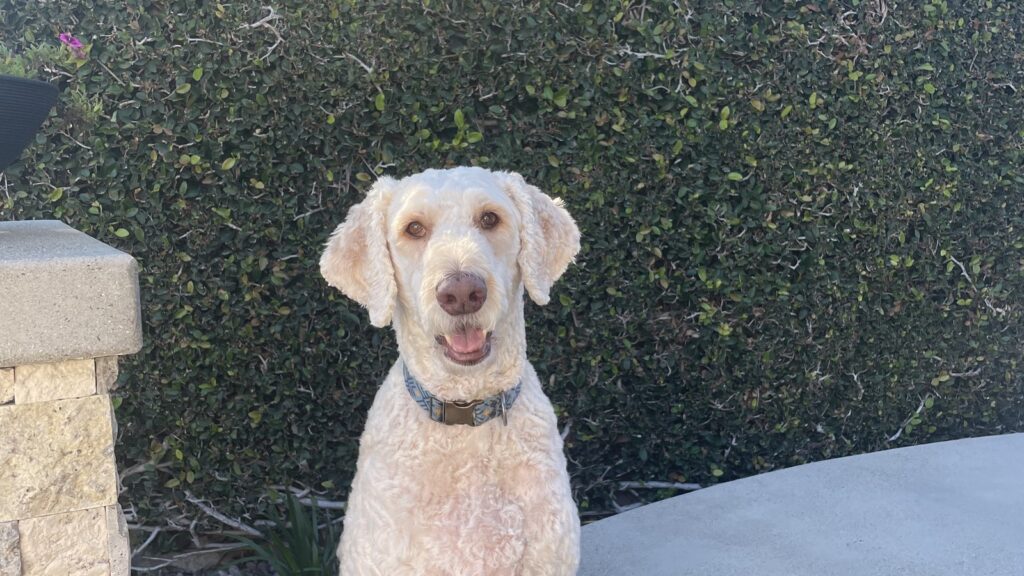
- Eyes that meet the camera. Eye contact creates connection. A viewer who feels “seen” by a dog is far more likely to read the bio.
- A relaxed, open expression. Soft eyes, ears in a natural position, mouth slightly open. It reads as friendly and approachable.
- No kennel. Bars, concrete, and chain-link signal “institution.” Even a plain wall or a patch of grass signals “this dog could be in your home.”
- Good, soft light. Outdoors in open shade, or near a big window, beats harsh overhead fluorescents every time.
None of this requires a real camera. It requires knowing what to aim for.
Get the Dog Out of the Kennel
If it is safe and allowed, photograph the dog away from its kennel - outside, in a play yard, or in a quiet room with natural light. A dog photographed against grass or a simple wall instantly looks more like a pet and less like an inmate. It also lets the dog relax, and a relaxed dog photographs as a friendlier dog.
If you cannot leave the kennel area, get your lens past the bars (never shoot through them) and find the softest light available, even if that means waiting for the dog to move toward a window or door.
Get Down to Their Level
Shooting down at a dog makes it look small, cowering, or distant. Kneeling or lying down to meet the dog at eye level changes everything - it puts the viewer in the dog's world and makes the connection feel personal. This one adjustment, which costs nothing, separates amateur shots from advocacy shots.
Win the Eye Contact (This Is the Hard Part)
Here is what every rescue photographer struggles with and most fosters underestimate: getting a stressed, distracted, or shut-down shelter dog to look at the camera at the right moment.
Shelter dogs are often overstimulated and scanning their environment constantly. The familiar tricks - calling the dog's name, waving a treat - work for a moment and then stop working as the dog habituates. And you usually get very few chances before the dog is too tired or too anxious to cooperate.
This is why a reliable attention cue is one of the most useful tools a rescue photographer can carry. Squeak N Snap is a camera accessory that produces a clean, distinct sound on demand, paired to your phone, so you can draw a dog's eyes toward the lens at the exact moment you are ready to shoot. For a dog that may only give you one good window of attention, capturing that single eyes-forward frame can be the shot that gets it adopted.
One photo. One look. One home.
What an adoption photo can doA Simple Field Routine
When you have a dog and a few minutes, work this sequence:
- Pick your spot. Open shade or near a window, simple background, away from the kennel if possible.
- Get low. Down to the dog's eye level.
- Let the dog settle. A few seconds of calm beats a rushed frame.
- Frame and focus first. Tap to focus on the eyes, set your exposure.
- Cue once, shoot once. Deliver one attention cue at the moment you press the shutter, then reward the dog.
- Take a few keepers. Aim for one clear, eyes-forward, relaxed shot. That is all a listing needs.
Why This Matters Beyond One Dog
At Squeak N Snap, the rescue mission is built into the brand through our 25,000 Dogs Home initiative - because we have seen what a single good photo can do. Better adoption photos move dogs out of shelters faster, which opens space for the next dog, which keeps the whole system moving. A foster who learns to take an advocacy-grade photo is not just helping one dog. They are helping every dog that comes after.
That is also why Squeak N Snap partners with rescues directly - so the people doing this work have the right camera accessory in hand.
The Takeaway
The difference between a dog that gets adopted quickly and one that waits is often invisible to the dog and entirely within the foster's control: the photo. Get the dog out of the kennel, drop to its eye level, find soft light, and capture one relaxed, eyes-forward frame. You do not need professional gear - you need to know what rescue photographers know, and a reliable way to win that one second of eye contact.
If you foster or volunteer with a rescue, take a look at the camera accessory built for exactly this moment - and our 25,000 Dogs Home mission. Let's get more dogs noticed, and home.
See how Squeak N Snap works